
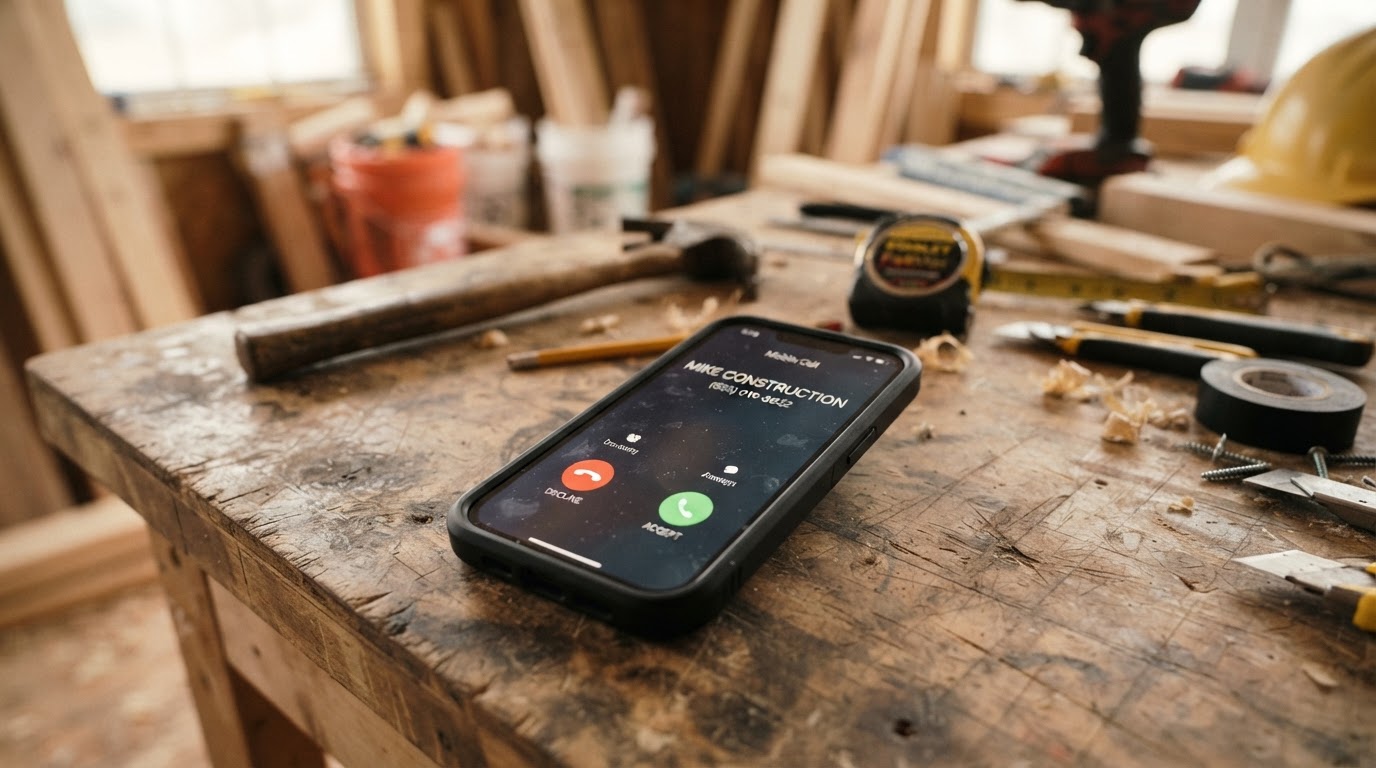
A contractor may miss a call for a perfectly good reason. The crew is working, equipment is running, hands are occupied, or the owner is speaking with another customer. The homeowner calling does not see that context. They only know that nobody answered.
When the project feels urgent, the caller may contact the next company immediately. A missed-call text-back process helps acknowledge the inquiry and keep the conversation open until someone can respond personally.
What is missed-call text back?
Missed-call text back sends a text message after an unanswered inbound call. The message identifies the business, acknowledges the missed call, and invites the person to share what they need. A dedicated missed call text back system automates this without pretending a human typed each message.
It should not pretend that a human typed the message in real time. It should also avoid long explanations. Its purpose is to reassure the caller that the business received the inquiry.
Why it works for contractors
Contractors spend much of the day away from a desk. Calls may arrive while driving, meeting customers, inspecting work, or using tools. Hiring a full-time receptionist is not practical for every company.
An immediate text creates a bridge between the missed call and the personal follow-up. It gives the homeowner another way to communicate and may capture useful details before the contractor calls back.
What the first message should say
Keep it simple. A useful message includes:
- The business name
- Acknowledgment of the missed call
- A short question about the requested service
- A clear expectation that someone will follow up
- Opt-out language when required
Example
“Hi, this is [Business Name]. Sorry we missed your call. What type of project can we help you with? Reply here and our team will follow up as soon as possible.”
Adapt the message to the business and applicable messaging rules.
Automation should not replace the conversation
The text is only the first step. Someone must still review the response, ask relevant questions, and move the opportunity forward.
Set clear ownership. Decide who receives the notification, how quickly the team should respond, and what happens outside business hours. Stop automated messages when the person replies so the conversation does not feel disconnected. Pairing this with faster lead response time keeps the handoff smooth.
Separate new leads from existing customers
Not every missed call is a new estimate request. It may be an existing customer, supplier, employee, or spam caller. The first text should be neutral enough to work in different situations.
Once the person responds, categorize the conversation and route it correctly. This keeps sales opportunities organized without treating every caller as a new lead.
Avoid common mistakes
Sending too many messages
A missed call does not justify an aggressive campaign. Begin with one helpful acknowledgment, then use a reasonable follow-up process when the caller has shown genuine interest.
Using a confusing number
The text conversation should come from a business number the team monitors. Customers should not be asked to switch repeatedly between numbers or channels.
Ignoring compliance
Business texting is subject to consent, identification, opt-out, carrier, and jurisdictional requirements. Configure the system responsibly and keep records where appropriate.
Failing to notify the team
An automated text without an internal alert can create the appearance of responsiveness while the inquiry still sits unanswered. Make sure a real person knows the lead exists.
Measure the result
Track how many missed callers reply, how many conversations become estimates, and how many estimates become jobs. Compare those results with the period before the process was implemented.
The goal is not to send more messages. The goal is to recover legitimate opportunities and provide a better customer experience.
Frequently asked questions
Does missed-call text back work after hours?
It can acknowledge the call after hours, but the message should set an honest expectation about when the team will respond.
Can I use my existing business number?
That depends on the phone provider and messaging setup. Confirm whether the number supports business texting and can be connected to the system you use.
Will every missed caller receive a text?
Rules can often exclude blocked numbers, repeated calls, certain call types, or contacts who have opted out. The exact configuration depends on the platform.