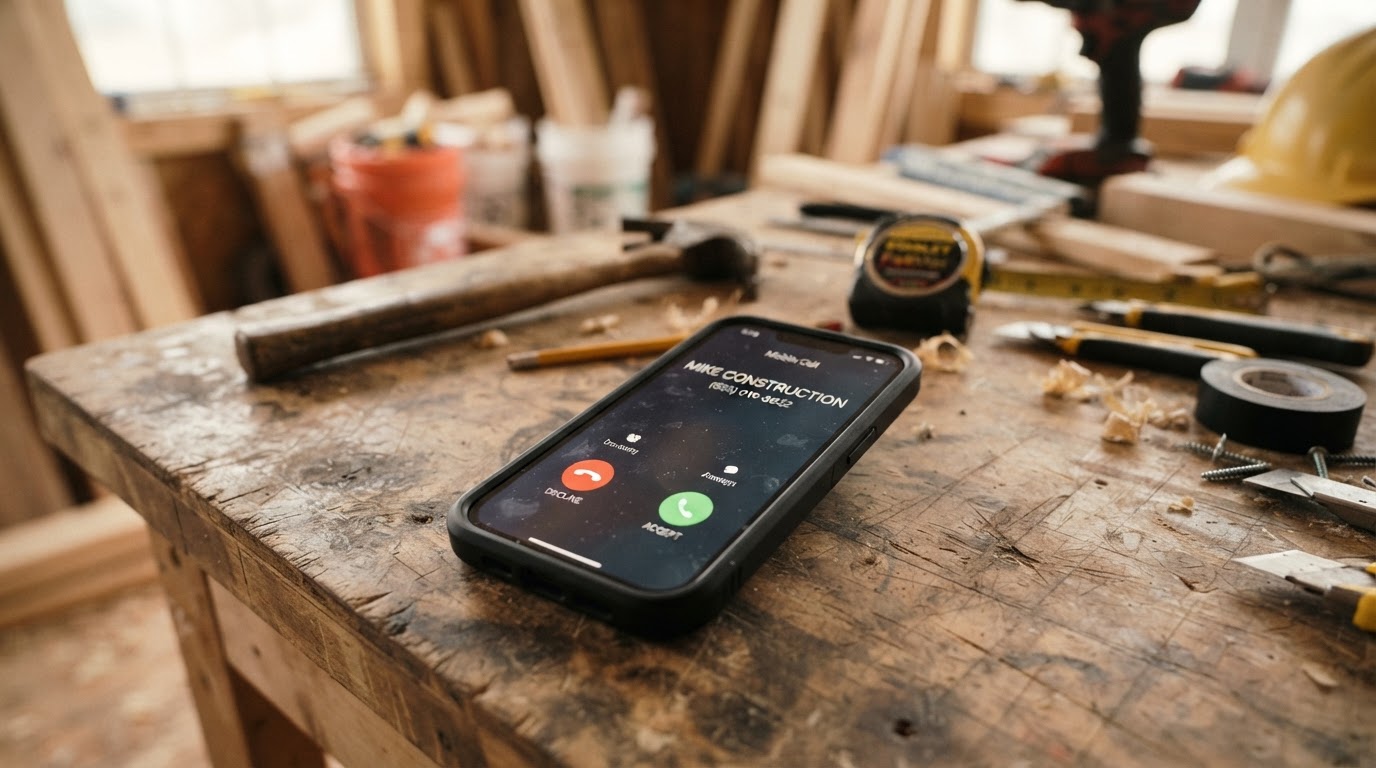

The practical answer is simple: respond as soon as your business reasonably can. Homeowners often contact multiple contractors, especially when the project is urgent. A delayed response gives competitors more time to begin the conversation.
Fast response does not mean sending an aggressive sales sequence. It means acknowledging the inquiry, setting expectations, and creating a clear path to a personal conversation.
Separate confirmation from personal follow-up
An immediate automated confirmation can tell the prospect that the request was received. A personal call or text should follow when a team member becomes available. An automated lead follow-up system handles that first confirmation instantly.
Example confirmation
“Thanks for contacting [Business Name]. We received your request about [Service]. A member of our team will follow up shortly.”
Only include the service when the form or conversation captured it accurately. Do not pretend a human is responding when the message is automated.
Assign every lead to a person
Many leads are lost because everybody assumes someone else will respond. Create one clear owner for each new inquiry.
Define
- Who receives new-lead notifications
- Who responds during business hours
- What happens after hours
- What happens when the primary person is unavailable
- When an opportunity should be reassigned
The process should be simple enough for the team to follow on a busy day.
Capture the information needed to begin
An initial form usually needs the customer's name, phone number, email when useful, requested service, location, and a short description. Asking for too much information can reduce submissions.
Collect additional details during the conversation. The goal of the first step is to make contact, not complete an entire estimate online.
Use calls and texts together
Some homeowners prefer a call. Others are working and can respond only by text. A thoughtful process can use both channels without overwhelming the prospect.
If the call is unanswered, send a short text identifying the company and reason for contact. Keep messages conversational and easy to answer.
Follow up when the prospect does not respond
One unanswered attempt should not automatically close the opportunity. Use a short sequence spread across a reasonable period.
Vary the action instead of sending the same message repeatedly. A sequence may include a call, a text, another attempt at a different time, and a final message that leaves the door open.
Stop automated follow-up when the prospect responds or opts out.
Prioritize without ignoring smaller jobs
Urgency, service type, location, project fit, and customer availability can help prioritize the queue. However, avoid making assumptions based only on incomplete information.
Use a simple qualification process. Determine whether the service is offered, the location is covered, and the project fits the company's basic requirements. Then schedule the appropriate next step.
Track response performance
Measure
- Time from inquiry to first confirmation
- Time from inquiry to personal response
- Percentage of leads contacted
- Estimates scheduled
- Estimates completed
- Jobs sold
- Lead source
These metrics reveal whether leads are being lost in marketing, response, qualification, scheduling, or sales.
Improve the process before buying more leads
When a business responds inconsistently, purchasing more leads can magnify the problem. Fix notifications, ownership, messaging, and follow-up before increasing the advertising budget. A missed call text back process is part of that fix.
The objective is not simply to respond fast. It is to create a dependable customer experience from the first inquiry through the estimate.
Frequently asked questions
Should contractors respond to leads after hours?
An automated acknowledgment can confirm receipt, but it should set an honest expectation about when a person will respond. Emergency services may require a different process.
How many times should I follow up with a new lead?
There is no perfect number for every business. Use a limited, respectful sequence across more than one channel, then leave the door open without continuing indefinitely.
What should I say in the first response?
Identify the company, mention the requested service when known, acknowledge the inquiry, and ask one easy question that moves the conversation forward.